How Global Automotive Industry Trends Are Creating New Opportunities for International Buyers
The global automotive industry is undergoing significant changes. New energy vehicles, hybrid technology, international trade, and changing customer preferences are reshaping the way vehicles are manufactured, distributed, and purchased.
For international dealers, importers, and wholesalers, understanding these changes is essential when choosing vehicle suppliers and planning purchasing strategies.
China has become an increasingly important source of vehicles for international markets, offering a wide range of passenger cars, commercial vehicles, and special-purpose vehicles. However, successful vehicle sourcing requires more than finding competitive prices. Buyers must also consider market demand, vehicle specifications, import regulations, logistics, and after-sales support.
In this article, we explore several important automotive industry trends and what they mean for international vehicle buyers.

1. Global Automotive Industry Trends: A More Diverse Market
Different countries have different transportation needs, purchasing power, infrastructure, and import policies. As a result, there is no single vehicle type or technology that suits every market.
Some markets have rapidly growing demand for electric vehicles, while others continue to rely heavily on gasoline and diesel vehicles. Hybrid vehicles are also attracting attention from buyers who want improved fuel efficiency without depending entirely on charging infrastructure.
According to the International Energy Agency, global electric car sales exceeded 20 million in 2025, representing approximately one-quarter of all new cars sold worldwide.
This development highlights an important opportunity for international buyers: a diversified vehicle portfolio can help dealers respond to different customer requirements.
2. Global Automotive Industry Trends: Electric and Hybrid Vehicles
New energy vehicles have become an important part of the automotive market.
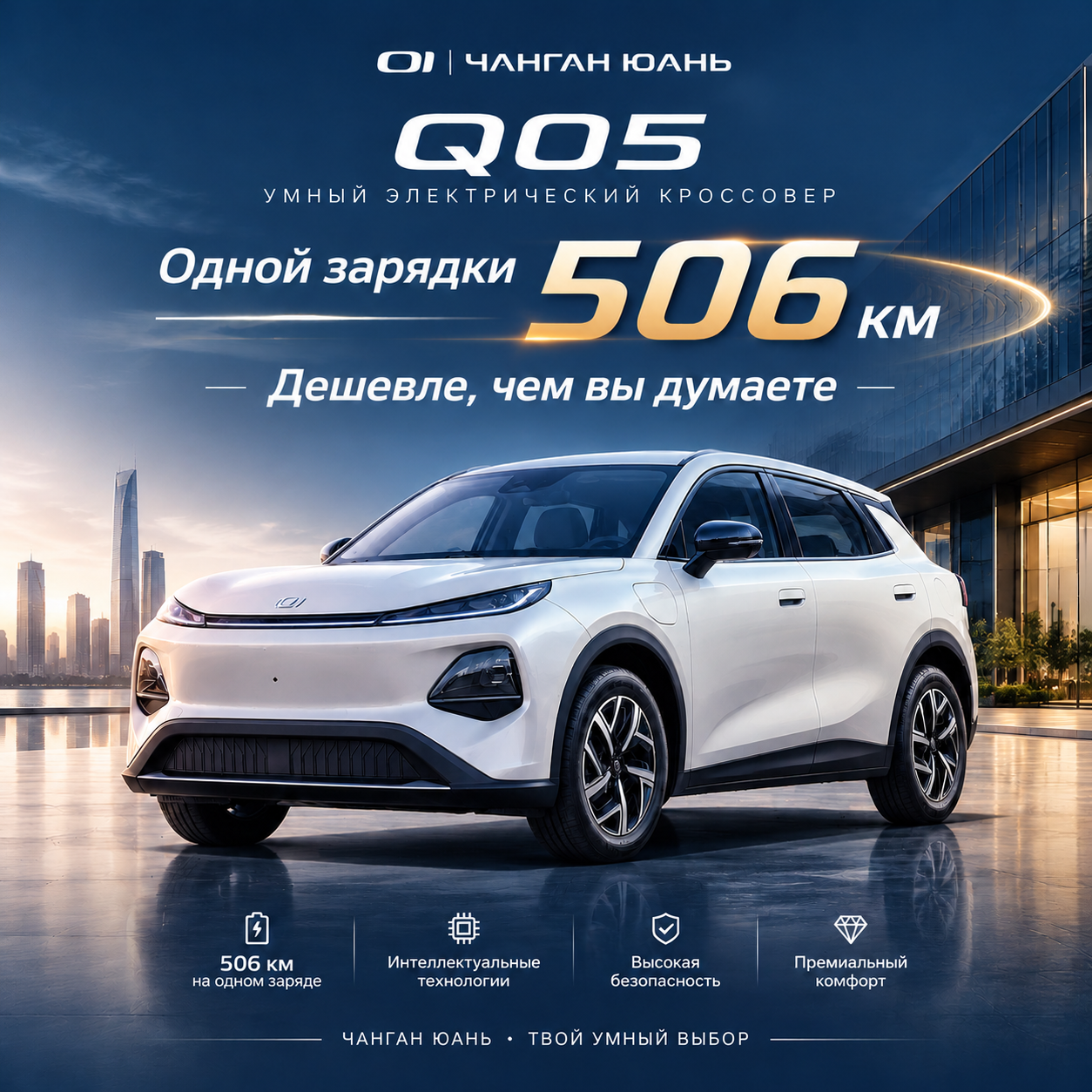
Chinese manufacturers have expanded their electric and hybrid vehicle offerings, providing international buyers with more choices across different price ranges and vehicle categories.
For dealers and importers, several factors should be considered before purchasing electric or hybrid vehicles:
- Driving range: Does the vehicle meet local driving requirements?
- Charging infrastructure: Is the local market ready for fully electric vehicles?
- Battery performance: Are battery specifications suitable for local climate conditions?
- Vehicle configuration: Does the model meet local customer preferences?
- Import regulations: Are the vehicle and its specifications eligible for import and registration?
Hybrid vehicles may also provide an alternative in markets where charging infrastructure is still developing.
The best purchasing decision should always be based on local demand rather than simply following global trends.
3. Global Automotive Industry Trends: China’s Growing Role
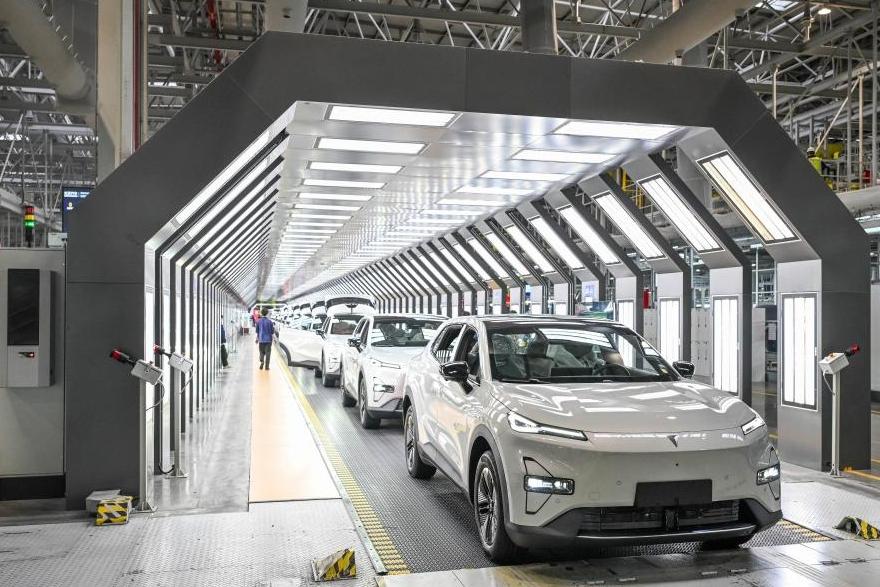
China has developed a comprehensive automotive manufacturing industry, covering passenger cars, electric vehicles, commercial vehicles, and special-purpose vehicles.
Its manufacturing ecosystem provides international buyers with access to a broad selection of vehicle models and configurations.
China’s role in global vehicle trade is also growing. The IEA reported that Chinese electric car exports exceeded 2.5 million units in 2025, approximately twice the previous year’s level.
For international dealers and wholesalers, sourcing vehicles from China can offer several potential advantages:
- A wide selection of vehicle brands and models.
- Multiple powertrain options, including gasoline, hybrid, and electric.
- Different vehicle configurations for different market requirements.
- Opportunities to compare suppliers and purchasing costs.
- Access to passenger cars, commercial vehicles, and special-purpose vehicles.
However, buyers should carefully verify supplier qualifications, vehicle documentation, export arrangements, and the availability of spare parts before placing an order.
4. Global Automotive Industry Trends: Commercial and Special-Purpose Vehicles
Passenger cars are only one part of the automotive industry. Commercial vehicles and special-purpose vehicles also play an essential role in transportation, construction, logistics, municipal services, and industrial operations.
Different business sectors require different vehicle solutions.
Commercial vehicles are widely used for:
- Freight transportation and logistics.
- Urban and regional delivery.
- Construction and industrial transportation.
- Business and fleet operations.
Special-purpose vehicles are designed for specific working environments and applications, including:
- Refrigerated trucks for cold-chain transportation.
- Dump trucks for construction and material transportation.
- Truck-mounted cranes for lifting operations.
- Fire trucks for emergency response.
- Ambulances for medical transportation.
- Vacuum trucks for sanitation and waste management.
- Water tanker trucks for water transportation and municipal services.
For international buyers, selecting the correct vehicle configuration is particularly important. Payload capacity, body dimensions, engine specifications, operating conditions, and local regulations should all be considered before purchasing.
5. Global Automotive Industry Trends: The Real Cost of Vehicle Purchasing
A low purchase price does not always mean a better business opportunity.
For dealers and importers, the actual cost of sourcing vehicles should include several factors:
- Vehicle purchase price.
- Export documentation and related charges.
- International transportation costs.
- Customs duties and import taxes.
- Local registration and compliance costs.
- Spare parts availability and after-sales arrangements.
Before confirming an order, buyers should request detailed vehicle specifications, confirm the final configuration, and understand the delivery arrangements.
It is also important to work with suppliers who communicate clearly and can coordinate the purchasing and export process.
A reliable sourcing partner can help reduce communication difficulties and make international purchasing more efficient.
6. Choosing a Chinese Supplier: Key Global Automotive Industry Trends
Choosing the right supplier is one of the most important decisions for an overseas automotive business.
Before starting cooperation, dealers, importers, and wholesalers should evaluate the following points:
Product range
Does the supplier offer the vehicle categories and models required by your market?
Supplier reliability
Can the supplier provide verifiable company information, business qualifications, and vehicle documentation?
Product information
Are vehicle specifications, configurations, photographs, and pricing details clearly provided?
Export experience
Can the supplier coordinate export documentation, logistics, and communication throughout the purchasing process?
Communication and service
Can the supplier understand your requirements and provide timely responses?
Taking time to evaluate these factors can help international buyers make more informed purchasing decisions.
Conclusion: Understanding Market Trends Helps Buyers Make Better Decisions
The global automotive industry is becoming more diverse and competitive. Electric vehicles, hybrid technology, commercial transportation, and special-purpose vehicles are creating new opportunities for international automotive businesses.
For overseas dealers and importers, the key is to understand local market demand, select suitable vehicle models, and establish reliable supply relationships.
WEIYIKE (Shaanxi) International Trading Co., Ltd. focuses on international vehicle trade, offering access to passenger cars, commercial vehicles, and special-purpose vehicles from China.
We welcome dealers, importers, distributors, and wholesale buyers to explore our vehicle range and discuss their purchasing requirements.
Visit our website: https://www.wykxa.com/
Contact the WEIYIKE team to discuss vehicle models, specifications, and wholesale purchasing requirements.